
Uterine Fibroids

What Are Uterine Fibroids?
Uterine fibroids are non-cancerous growths that develop in or around the uterus, often during a woman’s reproductive years. While many fibroids cause no symptoms and require no treatment, others can lead to heavy periods, pelvic pain, bloating, or pressure on the bladder. If you’re experiencing discomfort or changes in your menstrual cycle, you’re not alone—fibroids are very common and treatable. Our team is here to help you understand your condition and explore options that fit your needs in a caring, supportive environment.

Symptoms Of Uterine Fibroids
Typically, uterine fibroids do not produce symptoms or need medical attention. However, if symptoms do occur, they can impact your quality of life and overall health. If you or someone you know is suffering from painful or severe symptoms, it is important to arrange a consultation with a fibroid clinic for diagnosis and treatment.
Some of the most common symptoms include:
- Pain during sexual intercourse
- Anemia
- Severe menstrual cramps
- Lower abdominal pain or pressure
- Abnormal bleeding
- Frequent urination
Factors affecting Uterine Fibroids
Certain factors may increase your likelihood of developing uterine fibroids. These include lifestyle, genetic, and nutritional elements. If you or someone close to you is experiencing symptoms like heavy bleeding, pelvic pain, or pressure, understanding these risk factors can help guide you toward the right care. At Fibroid Clinic, our medical team is here to provide supportive, personalized assessments in a comfortable outpatient setting—helping you take control of your health with confidenc
Common Risk Factors
- Hormonal birth control use
- Excessive alcohol consumption
- Family history of fibroids
- Diet low in fruits and vegetables
- Overweight or obesity
- Vitamin D deficiency
Uterine Fibroid Causes
Although the precise cause of uterine fibroids is not fully understood, research has identified several factors that may elevate a woman’s risk of developing them. One significant factor is age, as fibroids are commonly seen between puberty and menopause. Additionally, fibroids often grow larger when hormone levels are elevated.
Common Causes
- Genetic factors
- Other growth factors
- Extracellular matrix (ECM) buildup
- Hormonal imbalances
Do You Experience Symptoms of Fibroids?
Types Of Fibroids
| Intramural Fibroids | Subserosal Fibroids | Submucosal Fibroids | Pedunculated Fibroids |
|---|---|---|---|
| An intramural fibroid, the most prevalent type of fibroid, develops within the uterine muscle walls. Small intramural fibroids may cause only minor symptoms. However, depending on their size and placement, they can result in heavy menstrual bleeding lasting 10 days or longer, irregular bleeding between periods, and discomfort in the pelvic area or lower back. More info |
Subserosal fibroids develop on the outer surface of the uterus, protruding into the pelvic or abdominal cavity. They may be connected to the uterus directly or through a slender stalk known as a peduncle. Women with subserosal fibroids frequently encounter problems with nearby organs such as the bladder, rectum, or intestines, leading to added discomfort or pressure. More info |
Submucosal fibroids grow into the uterus’s inner lining, called the endometrium. They may appear alone or in clusters and are often linked to heavy bleeding, anemia, dizziness, and fainting. Other symptoms include bleeding between periods, frequent clots, and pelvic or back pain. If significantly protruding, they may be removed vaginally with a hysteroscope by your OBGYN. More info |
Pedunculated fibroids are a type of subserosal or submucosal fibroid that develop on a stalk or peduncle extending from the uterine walls. When these fibroids rotate on their peduncle, they can cause sharp, stabbing pain by disrupting their blood supply. Treatment options vary based on their location and may involve external (laparoscopy) or internal (hysteroscopy) approaches. More info |
Fibroid Diagnosis
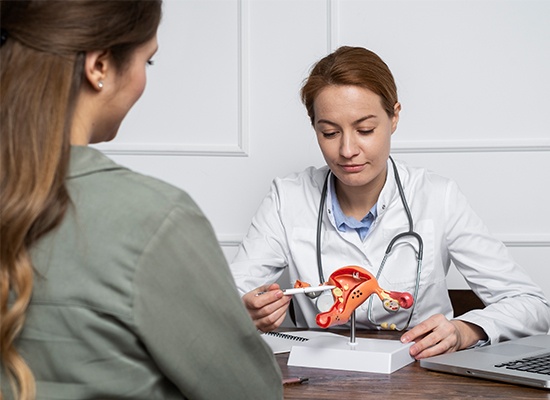
Uterine fibroids can lead to a range of uncomfortable, painful, and disruptive symptoms that might be confused with other common uterine problems. At Fibroid Clinic, the fibroid specialists and their board-certified doctors are experts in diagnosing and treating these conditions, utilizing the latest technology and methods. Fibroids are usually detected during a routine pelvic or well-woman exam by your OBGYN. However, further tests may be recommended to confirm the most precise diagnosis for your situation.
Diagnostic Tests & Screenings
- MRI
- Ultrasound
Uterine Fibroid Embolization
The physicians at the fibroid clinic are leading experts in the care and treatment of uterine fibroids. They offer Uterine Fibroid Embolization (UFE), a minimally invasive, image-guided procedure designed to safely and effectively reduce fibroids and their symptoms without the need for surgery. Compared to hysterectomies, UFE provides quicker recovery, fewer complications, and no hospital stay. The procedure is performed by an Interventional Radiologist (IR) and is considered an outpatient treatment. Interventional radiologists diagnose and treat conditions by inserting small catheters and using image-guided techniques to navigate through the body. During UFE, a small incision is made in the groin or wrist to access the artery with a thin catheter. Tiny particles are then injected into the small blood vessels that supply the fibroids, blocking blood flow and causing the fibroids to shrink.
What to Expect from Your Fibroid Treatment
- Maintains the uterus
- No need for general anesthesia
- Reduced likelihood of complications
- Faster recovery period
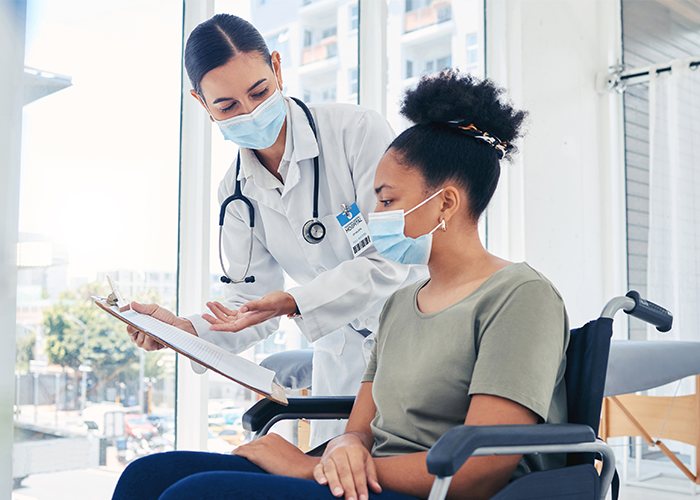
- Caring outpatient services
Fibroid FAQ
Uterine fibroids are generally non-cancerous, with cancerous ones being extremely rare, occurring in fewer than one in 1,000 cases. The rare cancerous fibroid is called uterine leiomyosarcoma (ULMS). Most women with fibroids do not show symptoms, and only a small fraction will need medical intervention. Having uterine fibroids does not raise your risk of developing a cancerous fibroid or other uterine cancers.